Sotol Parejo

[pah-reh-ho]

is the word vinateros use to describe when a sotol is perfect. It’s when the perla opens from the center of the cuerno.

Small lots of 70 to 200 litres.Sotol and lechuguilla from Chihuahua and Durango, Mexico.For adults 21+. Please enjoy responsibly.

Read the label.

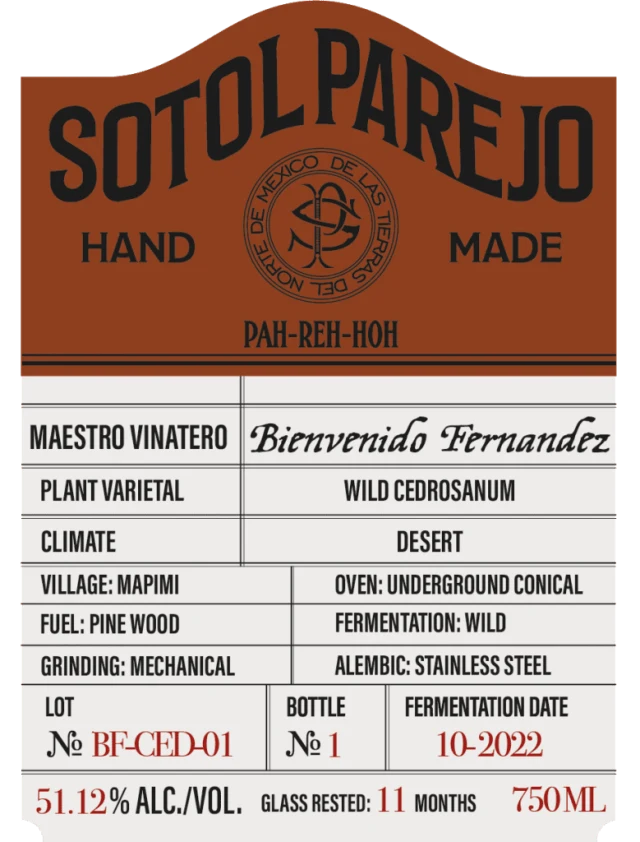
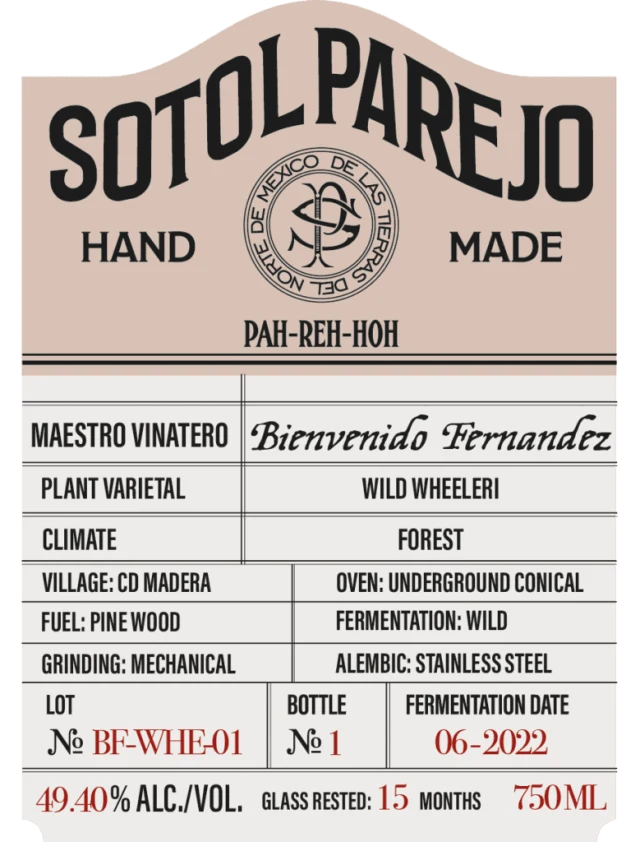
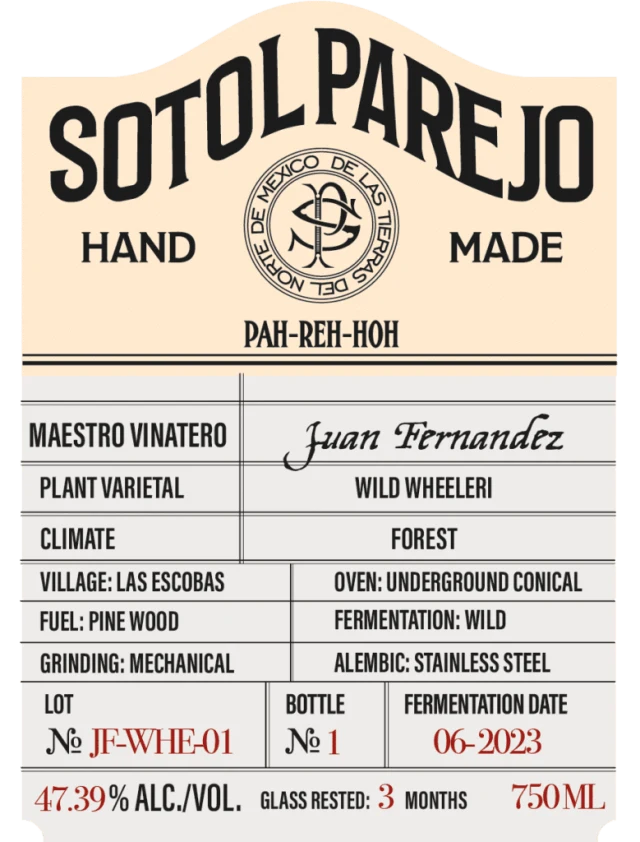
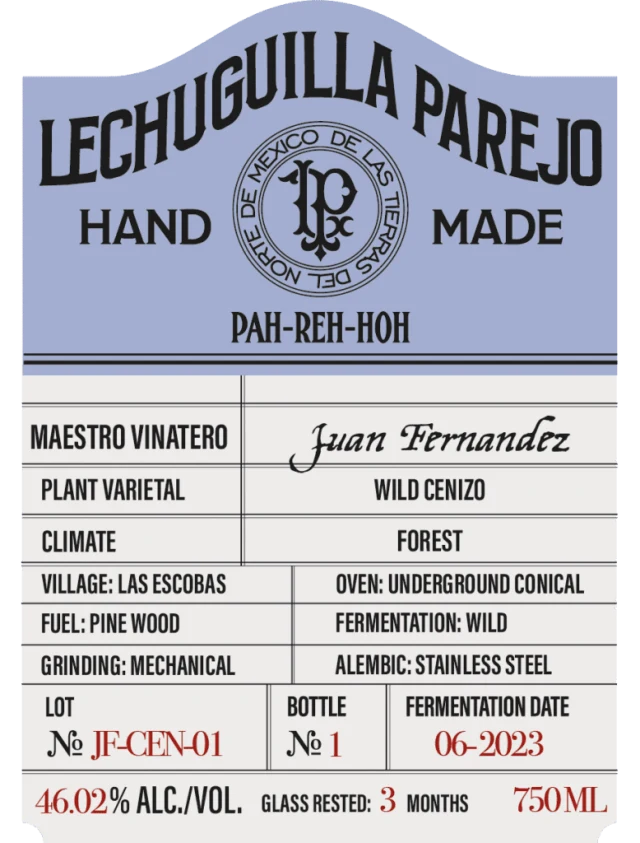
Every Parejo bottle names its maestro, plant, village, oven and lot. This is that label, row by row, for all six expressions.

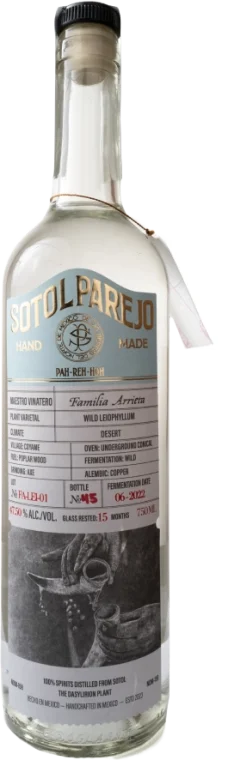
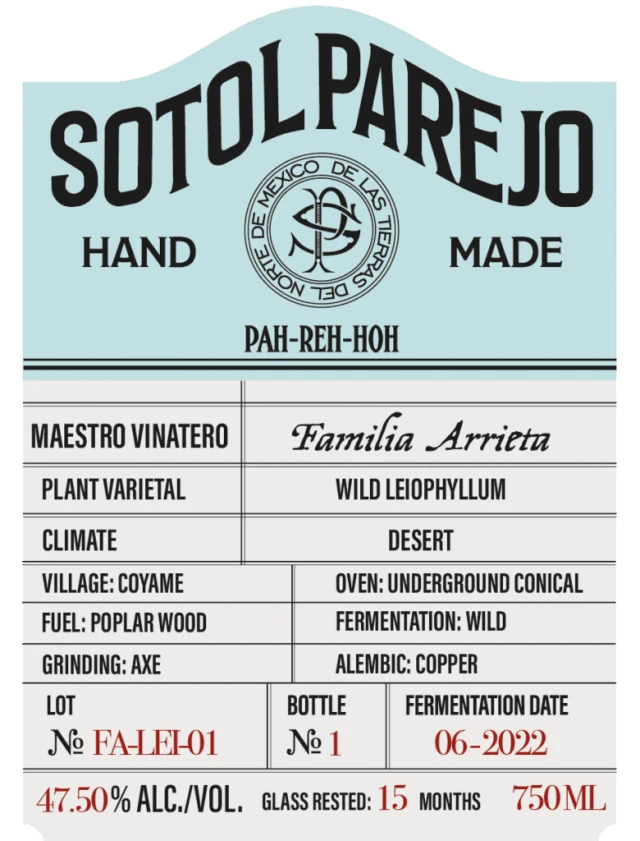
Bottle of Sotol Parejo Leiophyllum by Familia ArrietaLabel for Sotol Parejo Leiophyllum, maestro vinatero Familia Arrieta, lot FA-LEI-01, 47.50% ABV

Sotol Leiophyllum

Familia ArrietaArrieta brothers, 5th generation

Raw material
100% wild Dasylirion Leiophyllum (the sotol plant)
Viñata
Chorreras, Chihuahua, MX
Plant source
Coyame, Chihuahua, MX
Source climate
Extremely arid, little precipitation, elevation 3,800’
Roast
3 days in an underground conical horno with poplar wood, covered with volcanic stone
Distillation
Slow & steady in copper alembic fired by poplar wood
Aroma
Chocolate, dried chilis, clay
Taste
Charred nuts, pineapple, bitter greens
Texture
Friendly with a slight prickle
Lots of Sotol Leiophyllum by Familia Arrieta
LotBottledABVRested
FA-LEI-01June 202247.5%15 months in glass
FA-LEI-02July 202249.04%17 months in glass, 19 cases
Rest of the technical sheet
Plant maturity
Madurado en verde, 15 years
Crush
By hand with axe
Wild fermentation
7-10 days with ambient yeast in stainless steel & wood
Adjustment
With well water until it is parejo
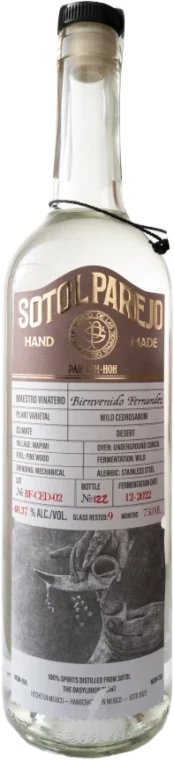
Bottle of Sotol Parejo Cedrosanum by Bienvenido FernándezLabel for Sotol Parejo Cedrosanum, maestro vinatero Bienvenido Fernández, lot BF-CED-01, 51.12% ABV

Sotol Cedrosanum

Bienvenido FernándezMaestro vinatero, 4th generation

Raw material
100% wild Dasylirion Cedrosanum (the sotol plant)
Viñata
Madera, Chihuahua, MX
Plant source
Mapimí, Durango, MX
Source climate
Hot summers & mild, dry winters, elevation 4,250’
Roast
3 days in an underground conical horno with pine wood, covered with volcanic stone
Distillation
Stainless steel alembic, first with pine wood & then with gas
Aroma
Banana pudding, pine, wet earth
Taste
Citrus, red hots, walnuts
Texture
Enticing, complex, chewy
Lots of Sotol Cedrosanum by Bienvenido Fernández
LotBottledABVRested
BF-CED-01Oct. 202251.12%11 months in glass
BF-CED-02Dec. 202248.37%9 months in glass
BF-CED-03Dec. 202249.23%17 months in glass, 25 cases
Rest of the technical sheet
Plant maturity
Madurado en verde, 15 years
Crush
Mechanical
Wild fermentation
7 days in stainless steel & tomba
Adjustment
With well water until it is parejo
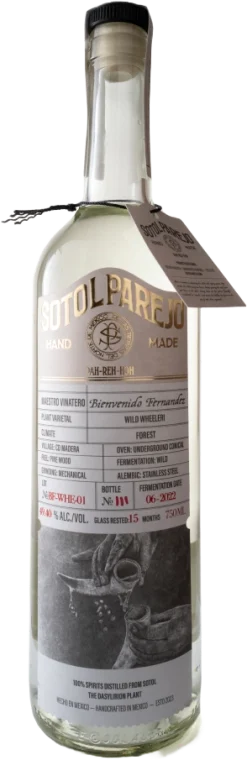
Bottle of Sotol Parejo Wheeleri by Bienvenido FernándezLabel for Sotol Parejo Wheeleri, maestro vinatero Bienvenido Fernández, lot BF-WHE-01, 49.40% ABV

Sotol Wheeleri

Bienvenido FernándezMaestro vinatero, 4th generation

Raw material
100% wild Dasylirion Wheeleri (the sotol plant)
Viñata
Madera, Chihuahua, MX
Plant source
Madera, Chihuahua, MX
Source climate
Borders coniferous forests & arid high desert, humid summers but cold & dry winters, elevation 6,900’
Roast
3 days in an underground conical horno with pine wood, covered with volcanic stone
Distillation
Stainless steel alembic, first with pine wood & then with gas
Aroma
Orange zest, rosemary, juniper
Taste
Pine sap, maple syrup, lime pith
Texture
Sticky, idling, satisfying
Lots of Sotol Wheeleri by Bienvenido Fernández
LotBottledABVRested
BF-WHE-01June 202249.4%15 months in glass
BF-WHE-02Jan. 202349.13%8 months in glass
BF-WHE-03Feb. 202349.78%7 months in glass
BF-WHE-04Feb. 202347.45%7 months in glass
BF-WHE-05July 202348.35%9 months in glass, 21 cases
Rest of the technical sheet
Plant maturity
Madurado en verde, 15 years
Crush
Mechanical
Wild fermentation
7 days in stainless steel & tomba
Adjustment
With well water until it is parejo
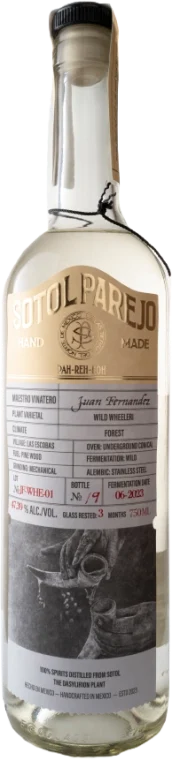
Bottle of Sotol Parejo Wheeleri by Juan FernándezLabel for Sotol Parejo Wheeleri, maestro vinatero Juan Fernández, lot JF-WHE-01, 47.39% ABV

Sotol Wheeleri

Juan FernándezMaestro vinatero, 4th generation

Raw material
100% wild Dasylirion Wheeleri (the sotol plant)
Viñata
Madera, Chihuahua, MX
Plant source
Las Escobas, Chihuahua, MX
Source climate
Coniferous forests, humid summers but cold & dry winters, elevation 5,000’ to 7,000’
Roast
3 days in an underground conical horno with pine wood, covered with volcanic stone
Distillation
Stainless steel alembic, first with pine wood & then with gas
Aroma
Ripe tropical fruit, pencil shavings, floral
Taste
Baked ham, creamed corn, lemon
Texture
Tingly, lactic, energetic
Lots of Sotol Wheeleri by Juan Fernández
LotBottledABVRested
JF-WHE-01June 202347.39%3 months in glass
Rest of the technical sheet
Plant maturity
Madurado en verde, 15 years
Crush
Mechanical
Wild fermentation
7 days in stainless steel & tomba
Adjustment
With well water until it is parejo
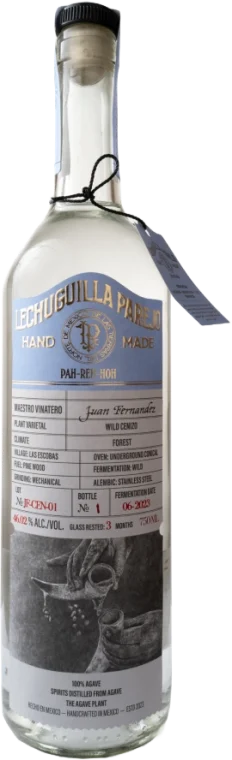
Bottle of Lechuguilla Parejo Cenizo by Juan FernándezLabel for Lechuguilla Parejo Cenizo, maestro vinatero Juan Fernández, lot JF-CEN-01, 46.02% ABV

Lechuguilla Cenizo

Juan FernándezMaestro vinatero, 4th generation

Raw material
100% wild Maguey Cenizo (the agave plant)
Viñata
Madera, Chihuahua, MX
Plant source
Las Escobas, Chihuahua, MX
Source climate
Coniferous forests, humid summers but cold & dry winters, elevation 6,900’
Roast
3 days in an underground conical horno with pine wood, covered with volcanic stone
Distillation
Stainless steel alembic, first with pine wood & then with gas
Aroma
Wet slate, jerky, ripe papaya
Taste
Salt water taffy, watermelon, flint
Texture
Mineral dry, oily mid-palate, mouthwatering
Lots of Lechuguilla Cenizo by Juan Fernández
LotBottledABVRested
JF-CEN-01June 202346.02%3 months in glass
JF-CEN-02July 202347.87%9 months in glass, 40 cases
Rest of the technical sheet
Plant maturity
Madurado en verde, 15 years
Crush
Mechanical
Wild fermentation
7 days in stainless steel & tomba
Adjustment
With well water until it is parejo
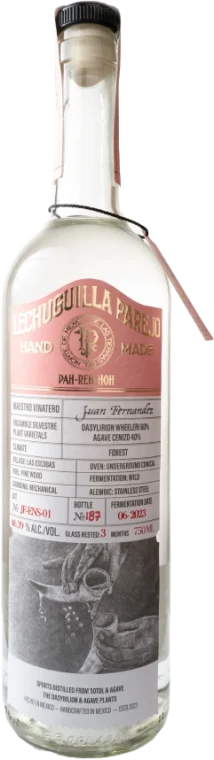
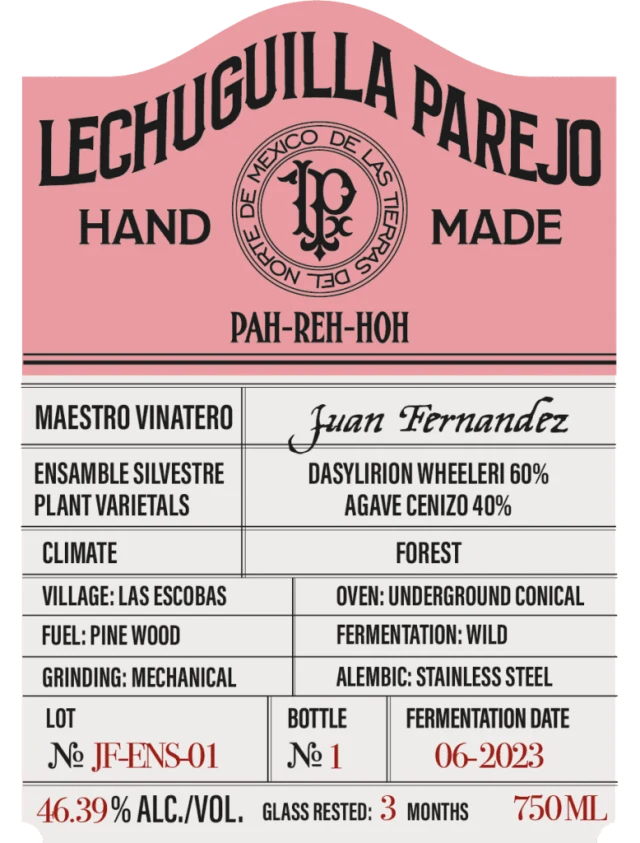
Bottle of Lechuguilla Parejo Ensamble by Juan FernándezLabel for Lechuguilla Parejo Ensamble, maestro vinatero Juan Fernández, lot JF-ENS-01, 46.39% ABV

Lechuguilla Ensamble

Juan FernándezMaestro vinatero, 4th generation

Raw material
60% wild Dasylirion Wheeleri / 40% wild Maguey Cenizo (the sotol & agave plants)
Viñata
Madera, Chihuahua, MX
Plant source
Las Escobas, Chihuahua, MX
Source climate
Coniferous forests, humid summers but cold & dry winters, elevation 6,900’
Roast
3 days in an underground conical horno with pine wood, covered with volcanic stone
Distillation
Stainless steel alembic, first with pine wood & then with gas
Aroma
Warming spices, tropical fruits, browned butter
Taste
Woodsy, eucalyptus, pine needles
Texture
Balanced, kind, refreshing
Lots of Lechuguilla Ensamble by Juan Fernández
LotBottledABVRested
JF-ENS-01June 202346.39%3 months in glass, 60/40 sotol/agave
JF-ENS-02Sept. 202346.80%7 months in glass, 50/50 sotol/agave, 40 cases
Rest of the technical sheet
Plant maturity
Madurado en verde, 15 years
Crush
Mechanical
Wild fermentation
7 days in stainless steel & tomba
Adjustment
With well water until it is parejo
From wild plant to bottle, in six stages.

We curate batches from the best vinateros and the best lots, prioritizing flavor above all else, so that every one is parejo.

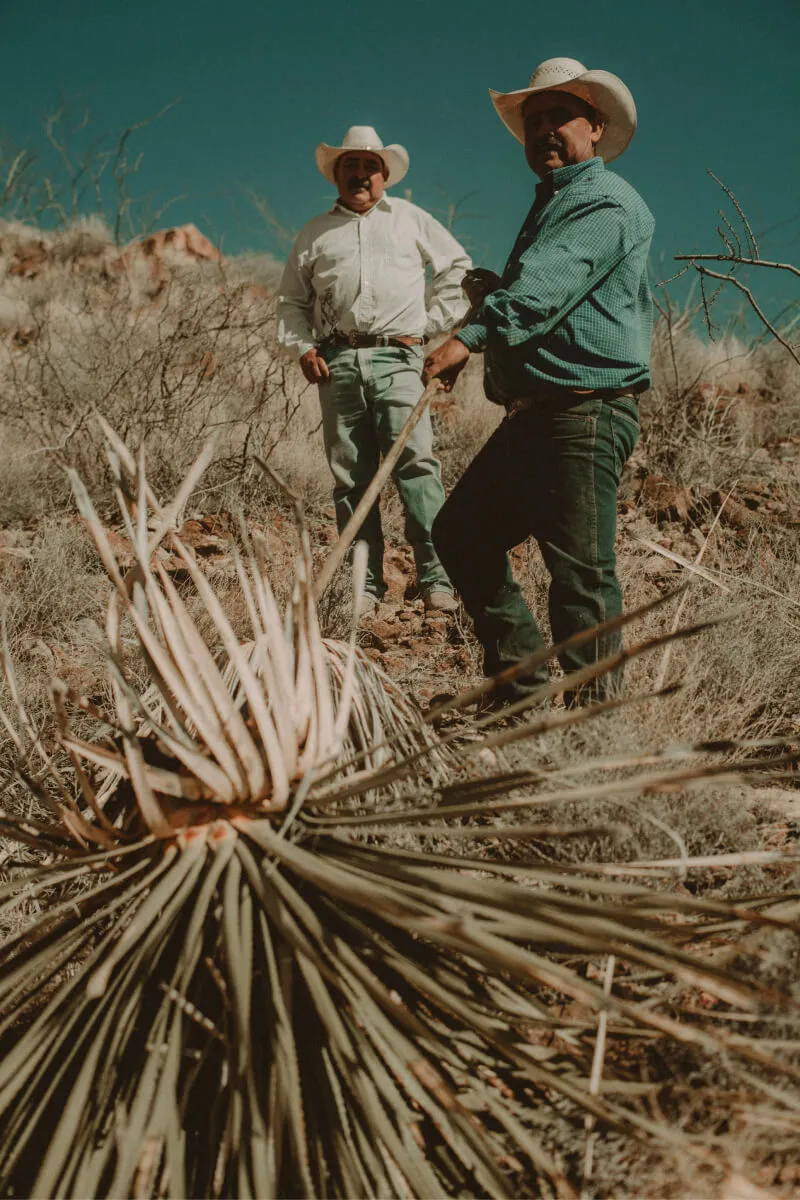
  1. Two vinateros walking through wild plants in the Chihuahuan desert

    1Harvest

    Wild plants, cut responsibly. The masters learned that if the root system is cut in the right spot, the plant regrows. Sotols are harvested at about 15 to 18 years old. The tumbador pierces the base with an iron bar and levers the plant from its root; the cortador trims every leaf with a thin axe, leaving the piña, the heart, bare.

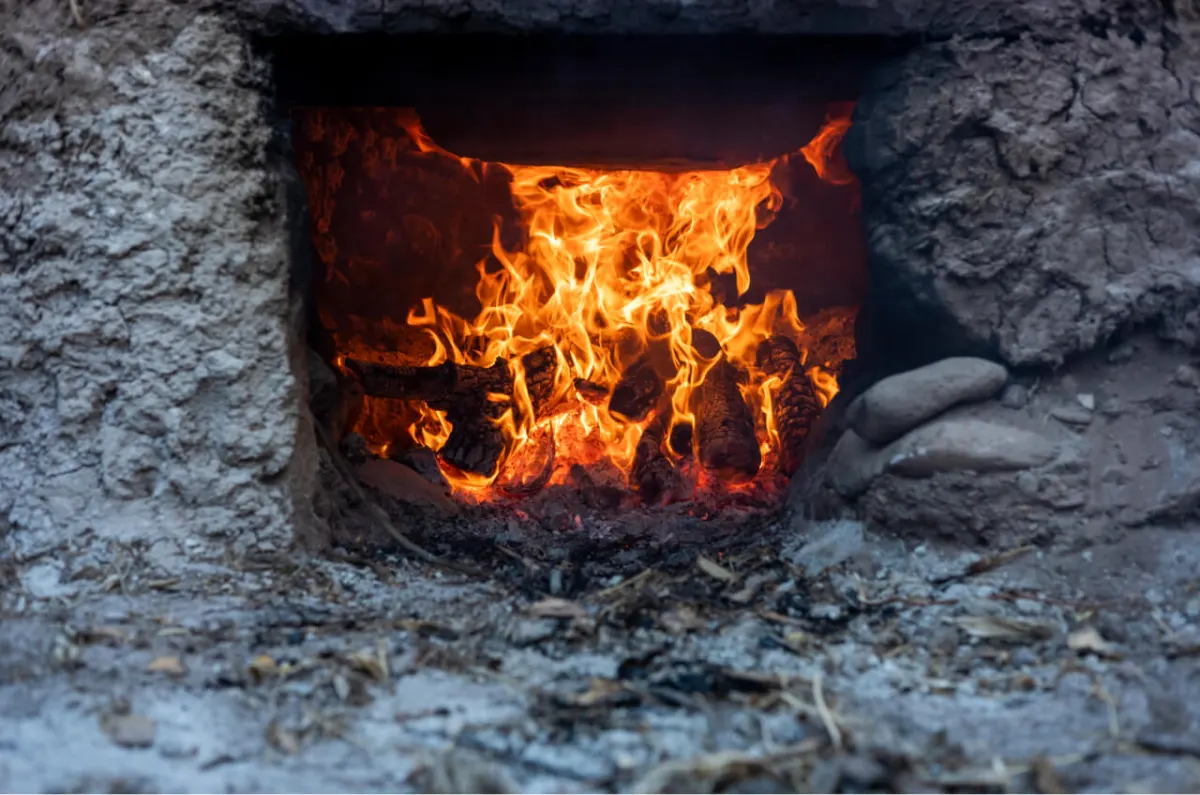
  2. Fire burning inside a traditional cone-shaped stone oven

    2Cooking

    In a traditional cone-shaped stone oven fired with wood; the wood depends on the region and is named on the bottle. Piñas go onto the volcanic stones, are covered with palm leaves and fiber blankets, and the oven is buried, leaving a tube in the center for water. The master adds water twice a day. Cooking lasts 3 to 5 days, depending on the season.

  3. Cooked sotol fiber after grinding

    3Grinding

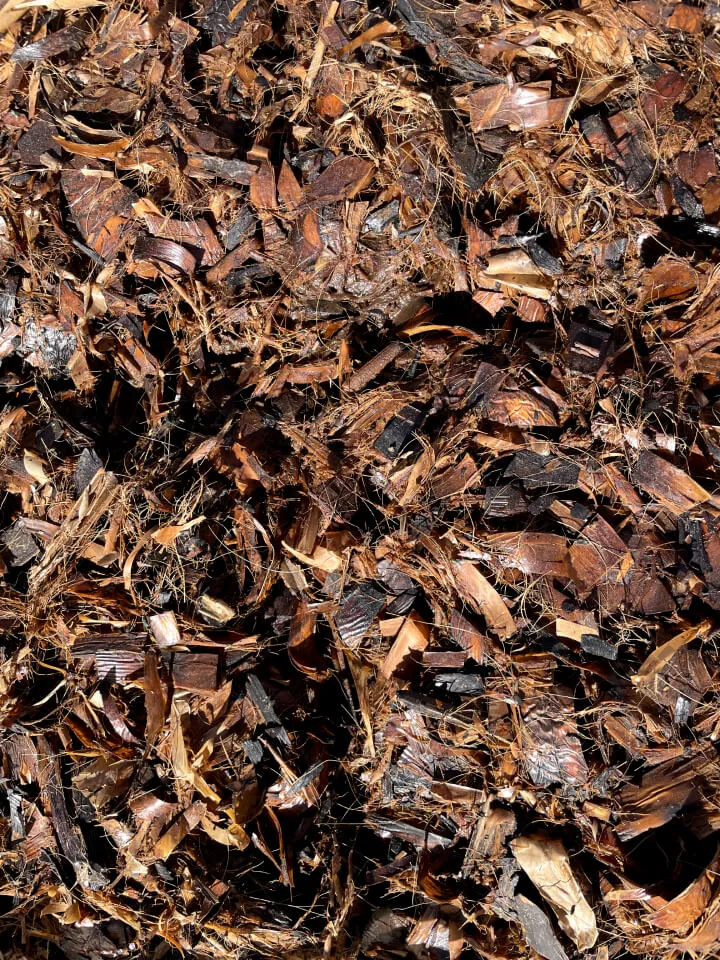
    Sotol is very fibrous, so the fibers are separated to get the most from fermentation. Depending on the master and the batch: by axe alone, a team of three grinding piñas one by one, or axes to quarter the heads and a mechanical mill to tear them apart. The choyaca, the part that joins the root system, is removed.

  4. A vat of fibers and juice fermenting

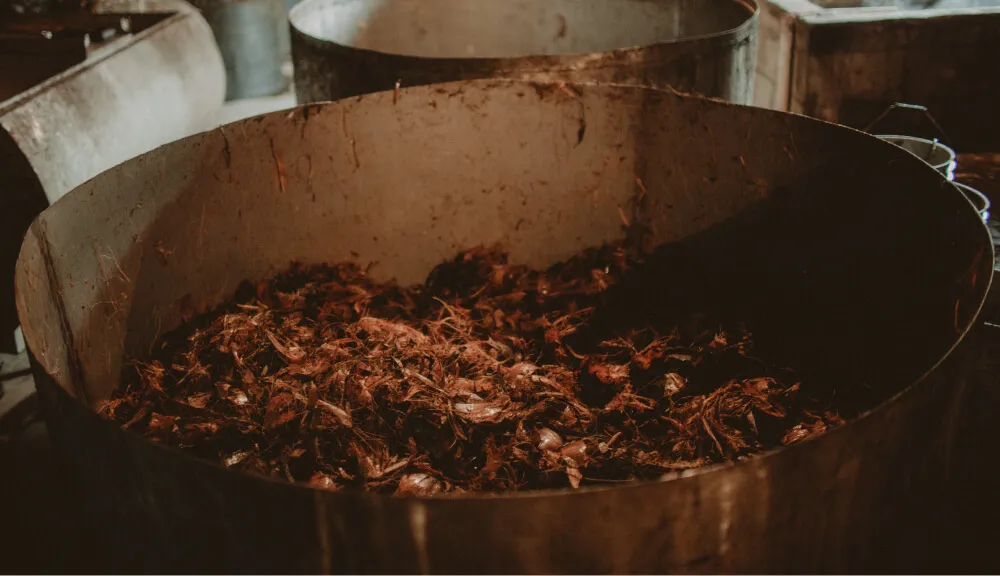
    4Fermentation

    Fibers and juice rest in vats, the material depends on the master, for about 3 days. Water is then added to spread the microorganisms and start fermentation, which lasts 5 to 8 days depending on the season. The Arrieta brothers make a cross with their hand when adding the water, to bless the ferment, a tradition from their grandfather.

  5. Black and white detail of a still

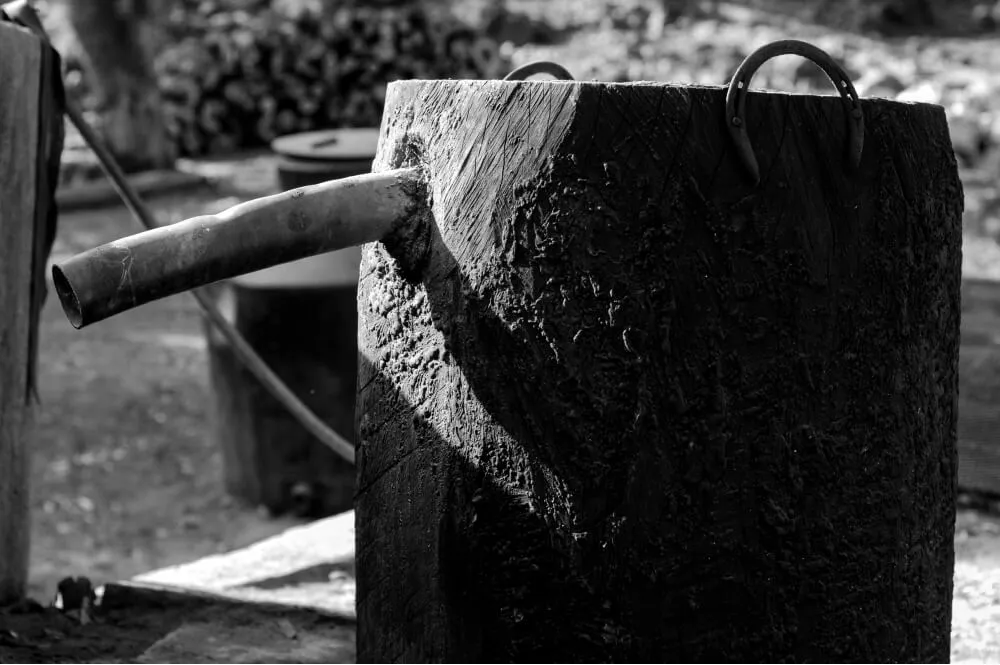
    5Distillation

    Traditionally twice. The first distillation is the “vino”. In the second the master makes cuts: the first part that drips is removed, the body is collected, and, depending on the master, the tails are kept or not.

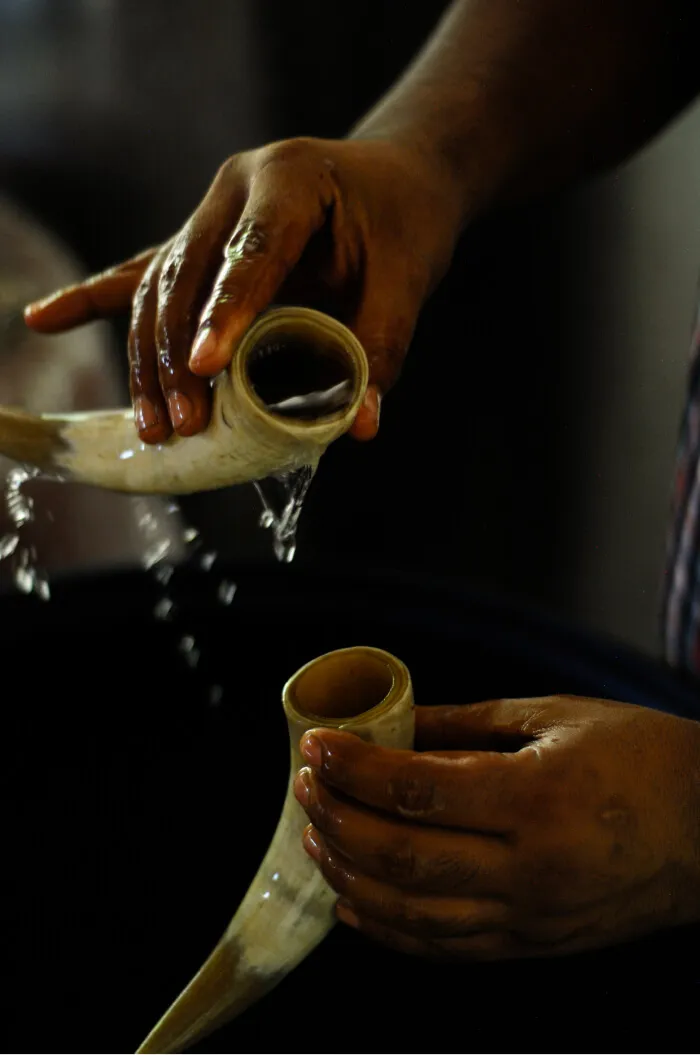
  6. Hands pouring distillate from one cow horn into another

    6ABV adjustment

    Water, tails, or both, depending on the master; the bottle says which. The proof is read with two cow horns: add water and stir, “emparejar”, then pass the distillate from horn to horn, “cuernear”, and watch the perla.

How a maestro knows

The word parejo comes from the horns.

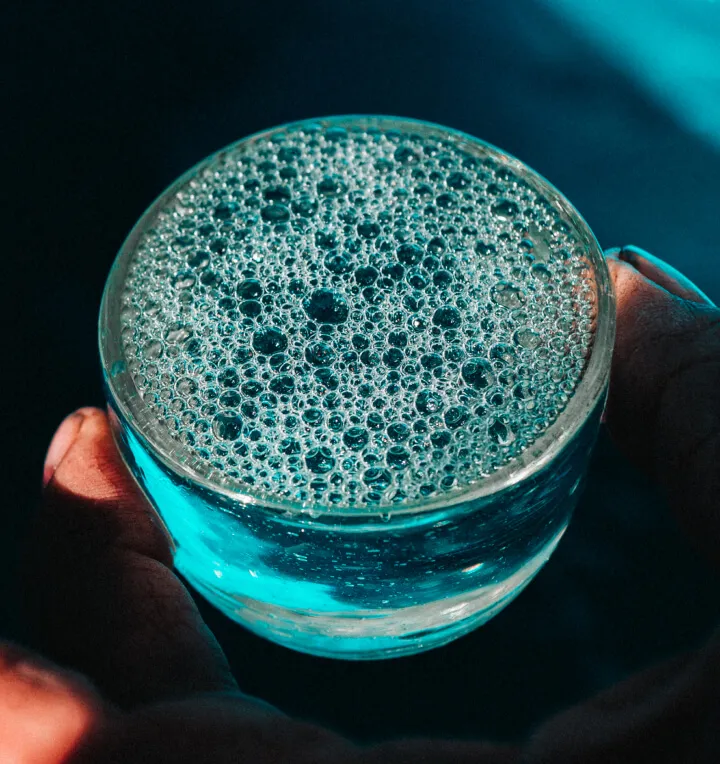
The master watches the size of the perla, how long it lasts and how it opens. A large pearl that disappears quickly means the proof is still high, so more water is needed.

When the pearl is medium, lasts long, and opens from the center to the edges of the horn, the master says the sotol is parejo.

Fine bubbles forming a bead pattern on the surface of a spirit in a glass

The hands behind each label.

Parejo does not distill. It selects, and works side by side with the vinateros who do.

  • Familia Arrieta

    The Desert Teachers5th generation

    The Arrieta family has made sotol for five generations, learning distillation from their grandfather. Chuy is in charge of distillation, calm and quiet. Mario goes to the desert to harvest the plants. Together they make sure the next generation learns to respect the craft.

    FA-LEI

  • Bienvenido Fernández

    The Maestro of the Sierra4th generation

    Bienve has distilled sotol since he could carry the bar to knock down the dasylirion stem. A legendary storyteller, he once traveled the mountain ranges with his favorite donkey carrying his copper still, making batches from the plants he met on the trail.

    BF-CEDBF-WHE

  • Juan Fernández

    The Master of the Agave4th generation

    Bienve’s brother shares the vinata with him. A daredevil who is also serious, he likes to observe, enjoys going to the forest to harvest plants, and is always experimenting with plants and ensambles.

    JF-WHEJF-CENJF-ENS

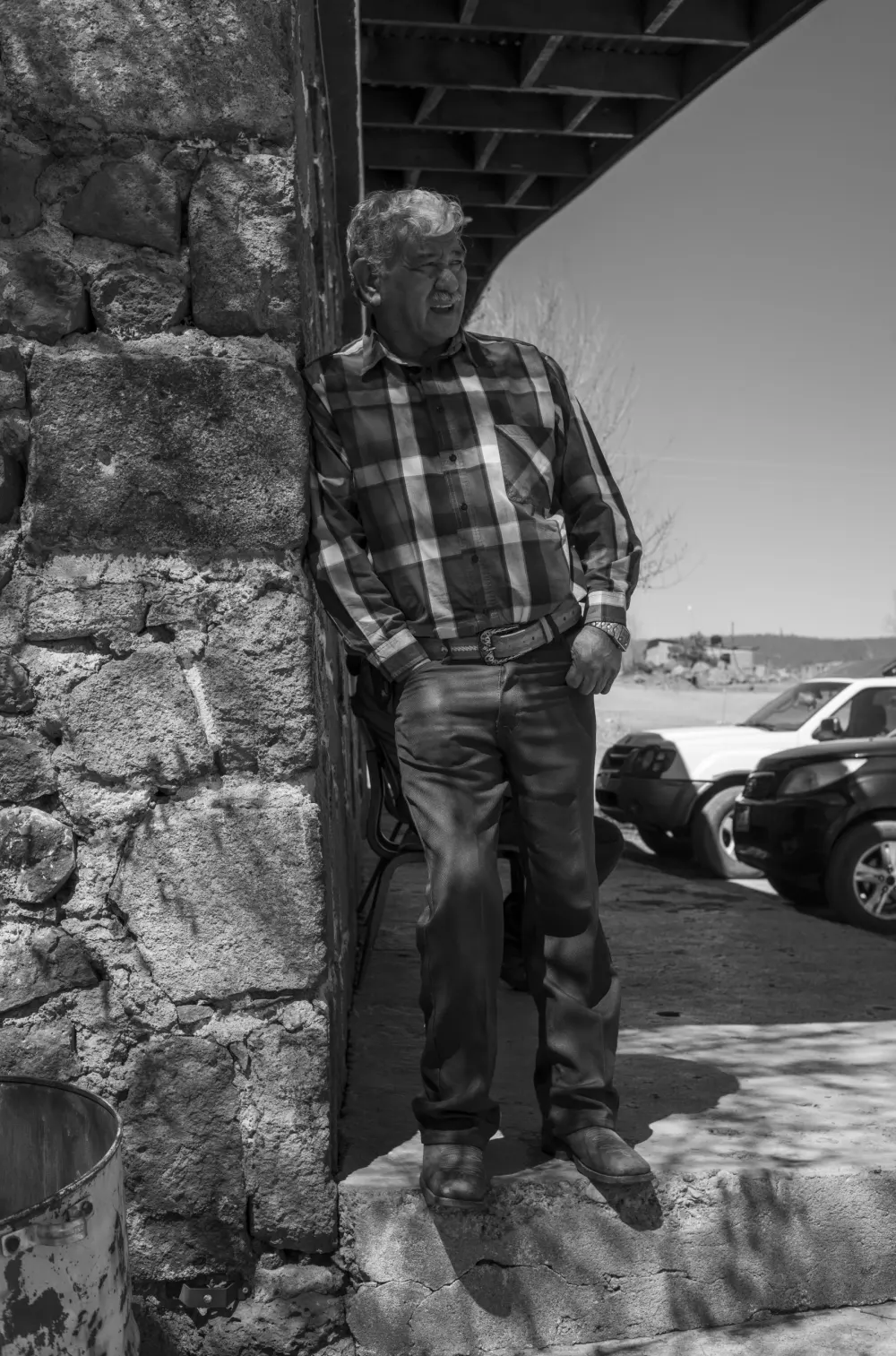
Black and white portrait of a man leaning against a stone wall
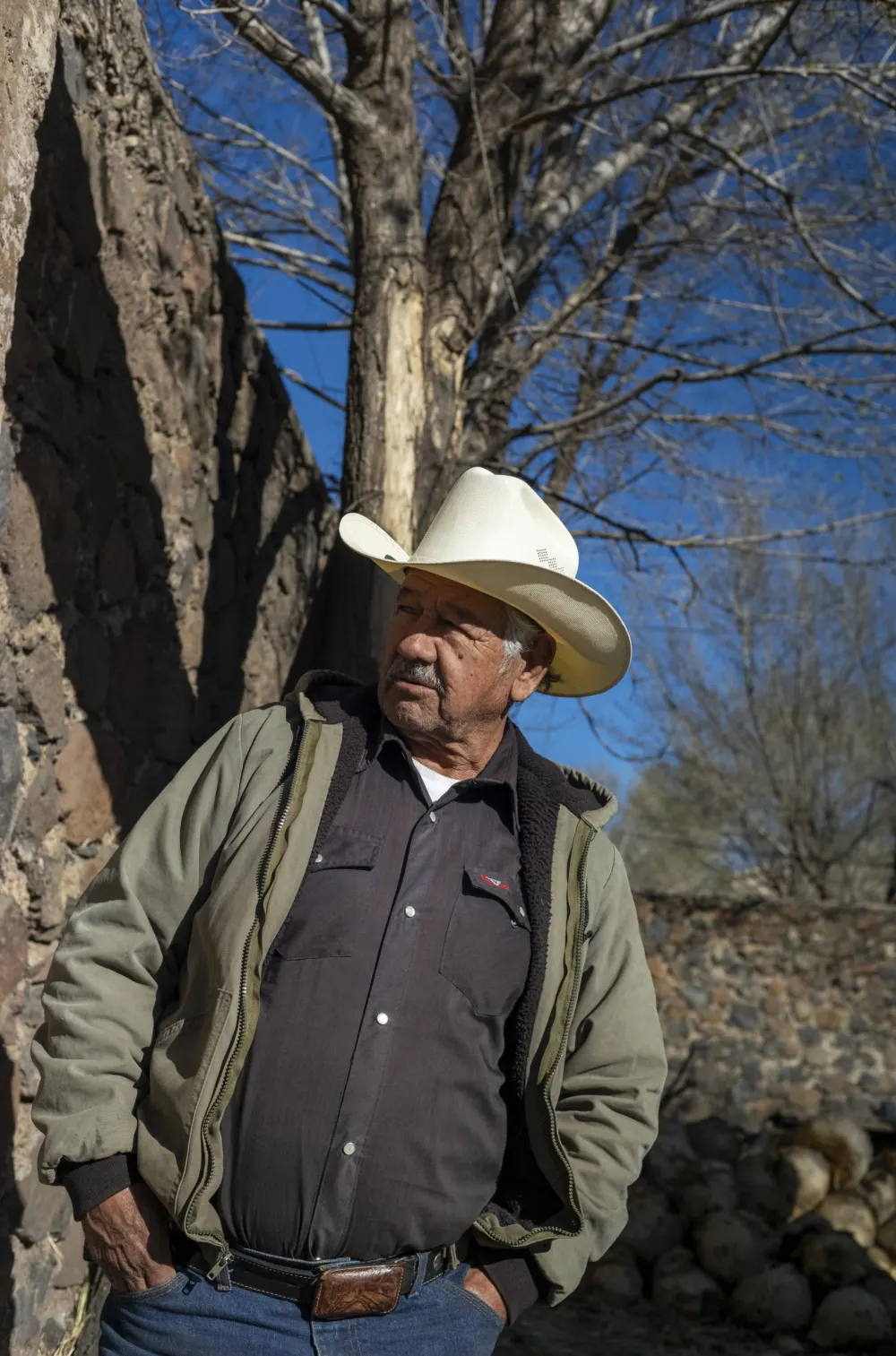
Portrait of a man in a cowboy hat standing outdoors
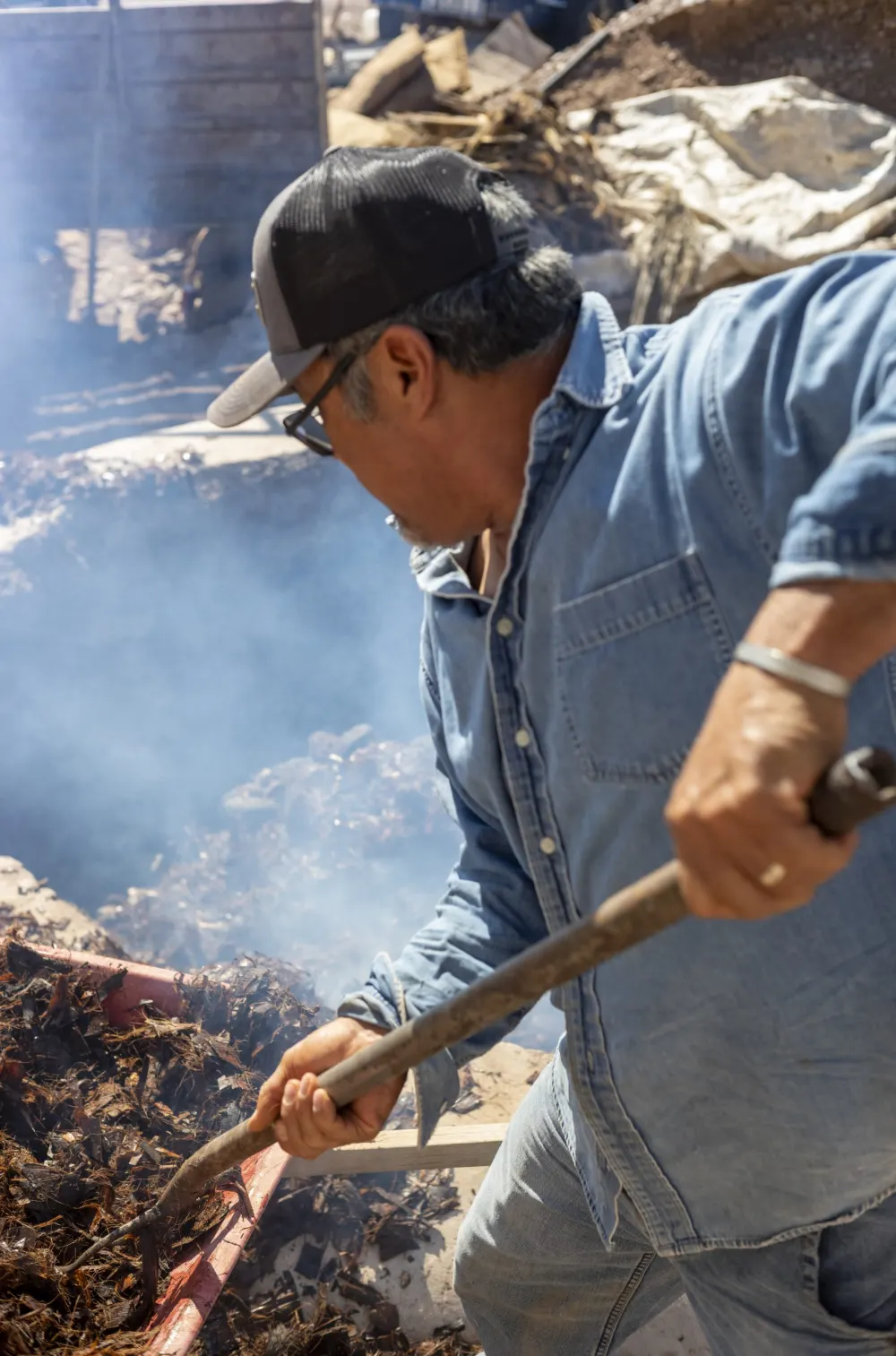
A man working with a long-handled tool amid smoke
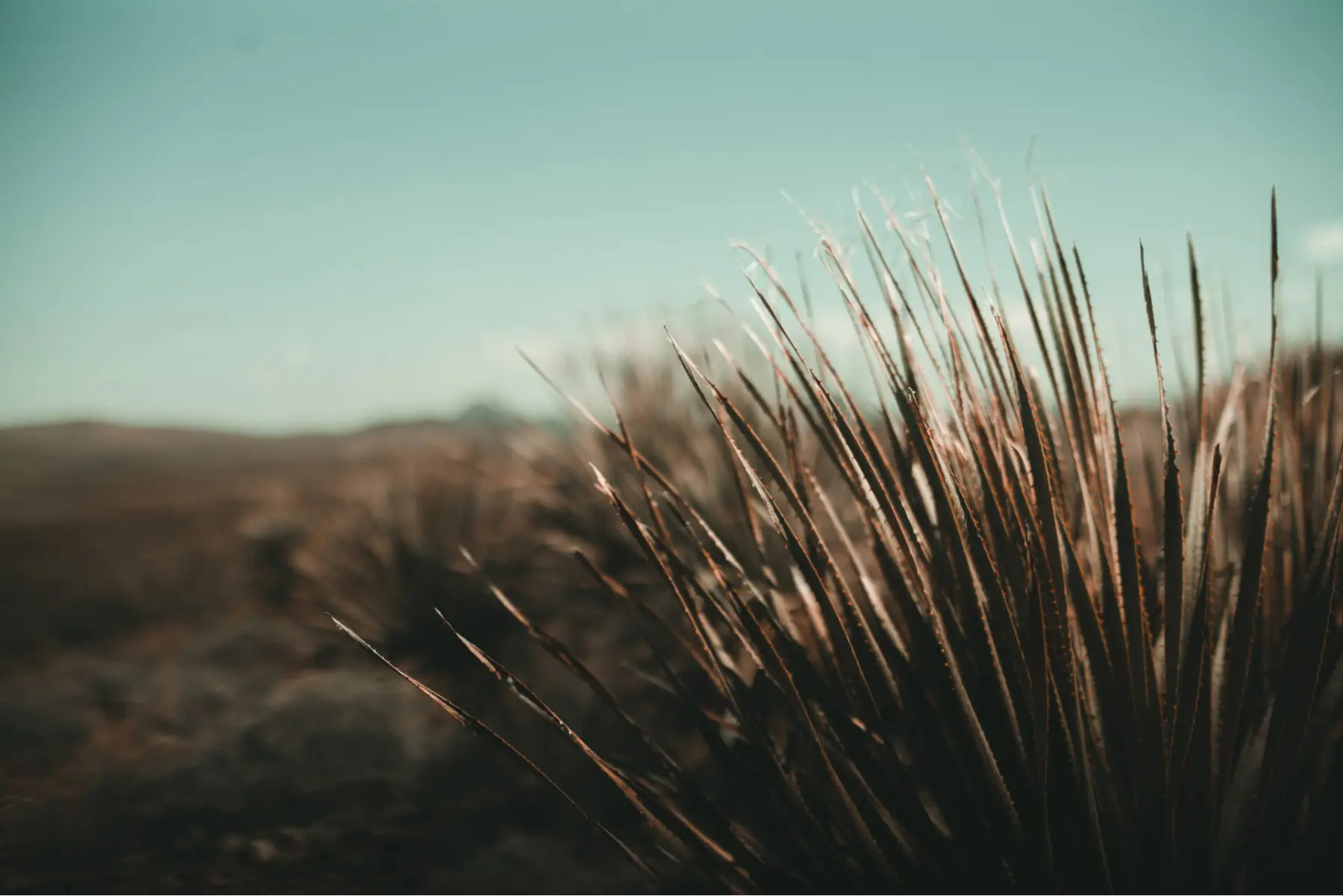
Sotol plants in the Chihuahuan desert under a pale sky

Parejo curates. The vinateros make.

Parejo was co-founded by Jorge Caldera, who spent 13 years studying the native spirits of Chihuahua, meeting producers and building friendships. For many years the government considered vinatas illegal, and the craft was taboo. Jorge found a shared struggle among the maestros.

He met desert masters in hidden towns, forest masters with a long history in sotol, and masters from the tropical areas of Chihuahua who still make lechuguilla by traditional methods. The goal of Parejo from the beginning was to recover the historical taste of sotol, which has become like an endangered species.

He works directly with the producers, in every part of sotol and lechuguilla production, from the plant to the perlas. Batches are small, 70 to 200 litres, and each lot is unique.

Culture
“Maestro” in Mexico comes from one who teaches. Our maestros have taught this tradition and continue to learn from it.
Environment
The vinateros listen to the land. In the rainy seasons they switch from sotol to lechuguilla, because the yield of sotol falls while the agave’s rises.
Tradition
We work hand in hand with vinateros who learned from their ancestors, to keep these cultures and traditions alive through sotol and lechuguilla.

Questions, answered.

What does “parejo” mean?

Parejo [pah-reh-ho] is the word vinateros use to describe when a sotol is perfect. It is when the perla, the pearl-like bead that forms on the surface, opens from the center of the cuerno, the cow horn used to read the proof.

What is the difference between sotol and lechuguilla?

Sotol is made from the sotol plant, Dasylirion. Lechuguilla is made from the agave known as maguey cenizo. Parejo also offers a lechuguilla ensamble that blends the two plants.

Where are Parejo spirits made?

By independent vinateros in Chihuahua, from wild plants gathered in Chihuahua and Durango. The labels name the maestro, the village, the plant source and the lot.

How are the batches made?

In small lots of 70 to 200 litres. Each lot is unique and the expressions change constantly. Every bottle carries its lot number and ABV.

Find a bottle.

Parejo is poured at events with partner bars and restaurants. Follow us on Instagram to see where to taste.

Follow @sotolparejo on Instagram (opens in a new tab)